
I’ve seen hundreds of IPTV services launch over the years. Some skyrocket to thousands of subscribers in months, while others fizzle out before they even start. The difference isn’t usually the content library or the server speed.
The difference is the Middleware.
When a customer turns on their TV, they don’t see your servers or your cables. They see your menu. They experience your navigation. If that experience is clunky, slow, or ugly, they cancel. It’s that simple.
In this guide, I’m breaking down exactly what middleware is, why it is the single most critical investment for your IPTV business, and how it acts as the invisible “brain” connecting your users to your content.
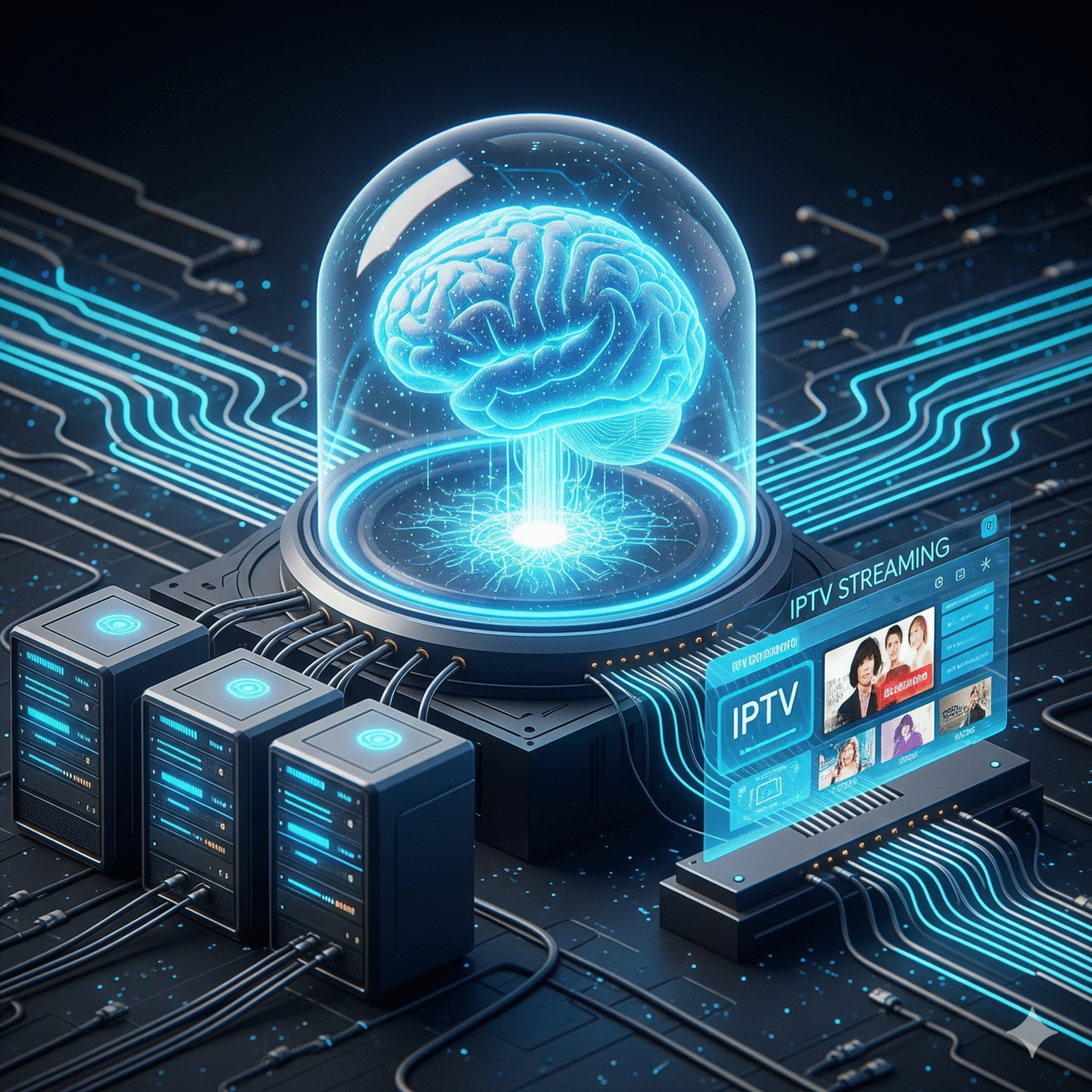
What is IPTV Middleware? (And Why You Should Care)
In the simplest terms, Middleware is the software layer that sits between the hardware (the customer’s Set-Top Box, Smart TV, or mobile device) and your backend infrastructure (where your video and user data lives).
Think of your business like a restaurant:
The Content: The food in the kitchen.
The TV: The table the customer sits at.
The Middleware: The waiter.
If the waiter is rude, slow, or forgets the order, it doesn’t matter how good the food is the customer isn’t coming back. Middleware interprets user commands, retrieves the right data, and ensures the system functions cohesively. Without it, your expensive hardware is just a brick.
The 5 Core "Magic Tricks" of High-End Middleware
Middleware is rarely noticed by users unless it fails. But for us providers, it is performing five critical tasks every single second to keep the cash flowing.
1. The User Interface (UI) is Your Brand
Your UI is the face of your business. The middleware generates every menu, color scheme, and button.
Retention: Fast, intuitive navigation keeps users watching longer.
Speed: Optimized code ensures menus load instantly. Lag kills conversion.
Branding: Modern middleware lets us “skin” the interface. We can make it look like a Tier-1 cable operator or a sleek streaming giant like Netflix.
2. The EPG: Your Engagement Engine
The Electronic Program Guide (EPG) isn’t just a list; it’s a live database query managed by the middleware.
It syncs time perfectly across global time zones.
It pulls rich metadata (show titles, cast info) to keep users interested.
The payoff: A robust EPG reduces “channel surfing” fatigue and increases perceived value.
3. Revenue Protection (Authentication)
This is where the business happens. When a device turns on, the middleware acts as the bouncer.
“Who are you?” It validates the MAC address or login token.
“Did you pay?” It instantly checks your billing system (BSS/OSS). If a subscription has expired, it cuts access immediately. No free rides.
4. Remote Device Management
You don’t want to spend your life on support calls. Middleware acts as a remote administrator.
Updates: We can push firmware updates to fix bugs without the user lifting a finger.
Diagnostics: If a stream fails, the middleware logs the error. We know about network issues before the customer even complains.
5. The “Handshake” (Stream Delivery)
When a user clicks “Play,” the middleware orchestrates the magic:
Identifies the stream URL.
Verifies permissions.
Instructs the player to connect to the media server.
DRM Management: Handles decryption keys to ensure your content is secure from piracy.
Architectures: Choosing the Right Engine
Not all middleware is created equal. I’ve worked with all of them, and here is how they stack up.
1. Set-Top Box (STB) Centric (Legacy)
The old school method where the box does the heavy lifting.
My Verdict: Avoid. It’s hard to update and the UI looks dated quickly. It’s a relic of the past.
2. Web/Cloud-Based (The Gold Standard)
The interface is built with HTML5/CSS and renders in a browser engine.
My Verdict: This is the winner. I can update the UI for 10,000 users instantly from the cloud. It works on Smart TVs, phones, and PCs seamlessly.
3. App-Based Middleware (APK)
Common on Android TV and Firesticks.
Future-Proofing Your Service
The next generation of middleware is already here, and it’s moving from “functional” to “intelligent.”
AI Recommendations: Just like Netflix, we are now tracking viewing habits to suggest content. “You watched the football match; here are the highlights.”
Voice Integration: Alexa and Google Assistant integration is becoming a standard expectation.
Dynamic Ad Insertion: This is a game-changer for revenue. We can now stitch targeted ads into live streams, replacing generic broadcast commercials with monetized spots.
Final Thoughts
The user interface is the single most important factor in customer retention. You can have the best channel list in the world, but if the menu lags or the EPG is empty, your churn rate will skyrocket.
Middleware is the glue that holds your ecosystem together. Invest in the best “brain” for your business, and your customers will reward you with loyalty.
 English (United States)
  German
  Dutch
Dutch  Swedish
  Danish
  English (UK)
  English (Australia)
  English (New Zealand)
  Norwegian